Articles : #Vulnerabilities
Active filter : #Vulnerabilities · All articles
- December 15, 2025, Peter Senn
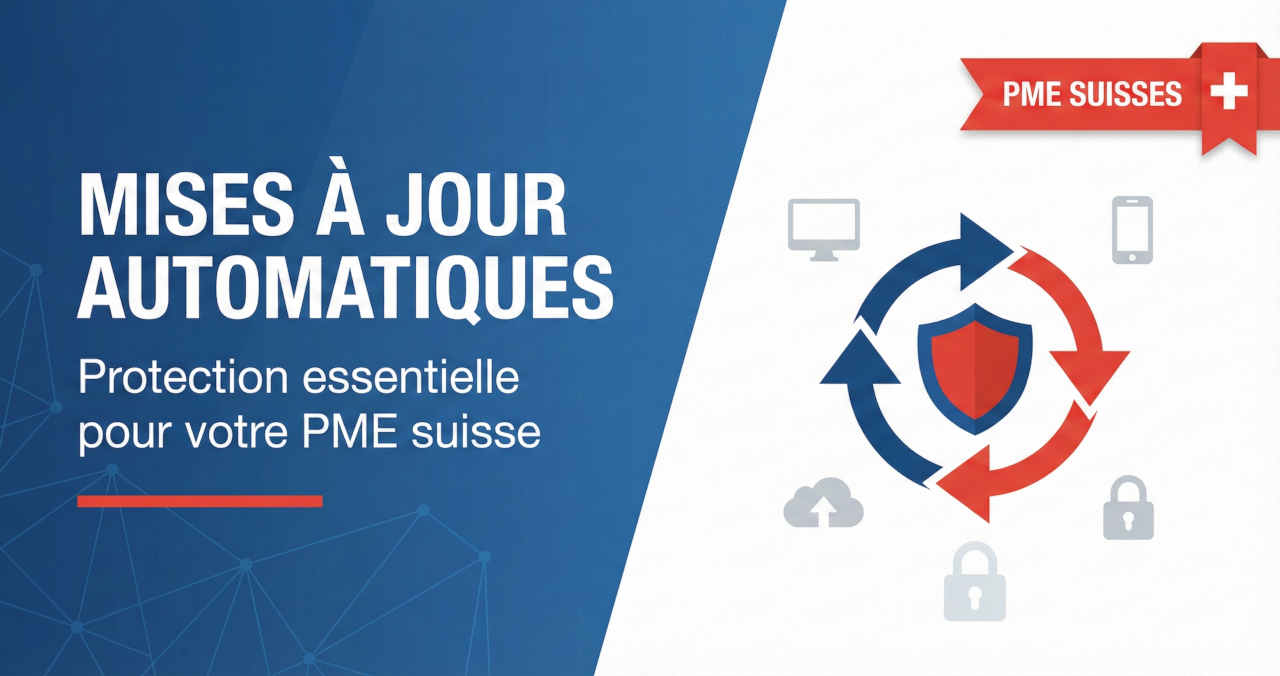
Why Swiss SMEs Need to Enable Automatic Updates
Automatic updates are the simplest and most effective cybersecurity measure to protect your Swiss SME: a one-time setup of just a few minutes is enough to block cyberattacks that exploit known vulnerabilities. According to the National Cyber Security Centre (NCSC), 60% of cyber incidents affecting Swiss SMEs exploit unpatched software flaws. Discover how to configure this essential protection without disrupting your daily operations, with solutions tailored to the realities of Swiss SMEs and the requirements of the revised Federal Act on Data Protection (nLPD).

- March 19, 2025, Stéphane Chapuis
Cybersecurity: Why are SMEs Particularly Vulnerable to Cyberattacks?
Small and medium-sized enterprises (SMEs) represent 99.8% of the European economic fabric, but are also the target of 43% of global cyberattacks (Verizon Data Breach Investigations Report, 2024). Under-equipped and often with low awareness, they remain exposed to increasing risks. Discover why SMEs are particularly vulnerable to cyber threats and what concrete measures can be taken to strengthen their IT security.

- January 11, 2025, Stéphane Chapuis
Regular Updates: The #1 Cybersecurity Strategy to Eliminate Known Vulnerabilities
Regular updating of IT systems is the security practice of applying patches published by vendors as soon as they are available, in order to close known vulnerabilities before they are exploited. According to the Verizon Data Breach Investigations Report 2024, 32% of data breaches exploit vulnerabilities for which a patch already existed—making unapplied updates one of the most avoidable attack vectors.
- December 10, 2024, Stéphane Chapuis
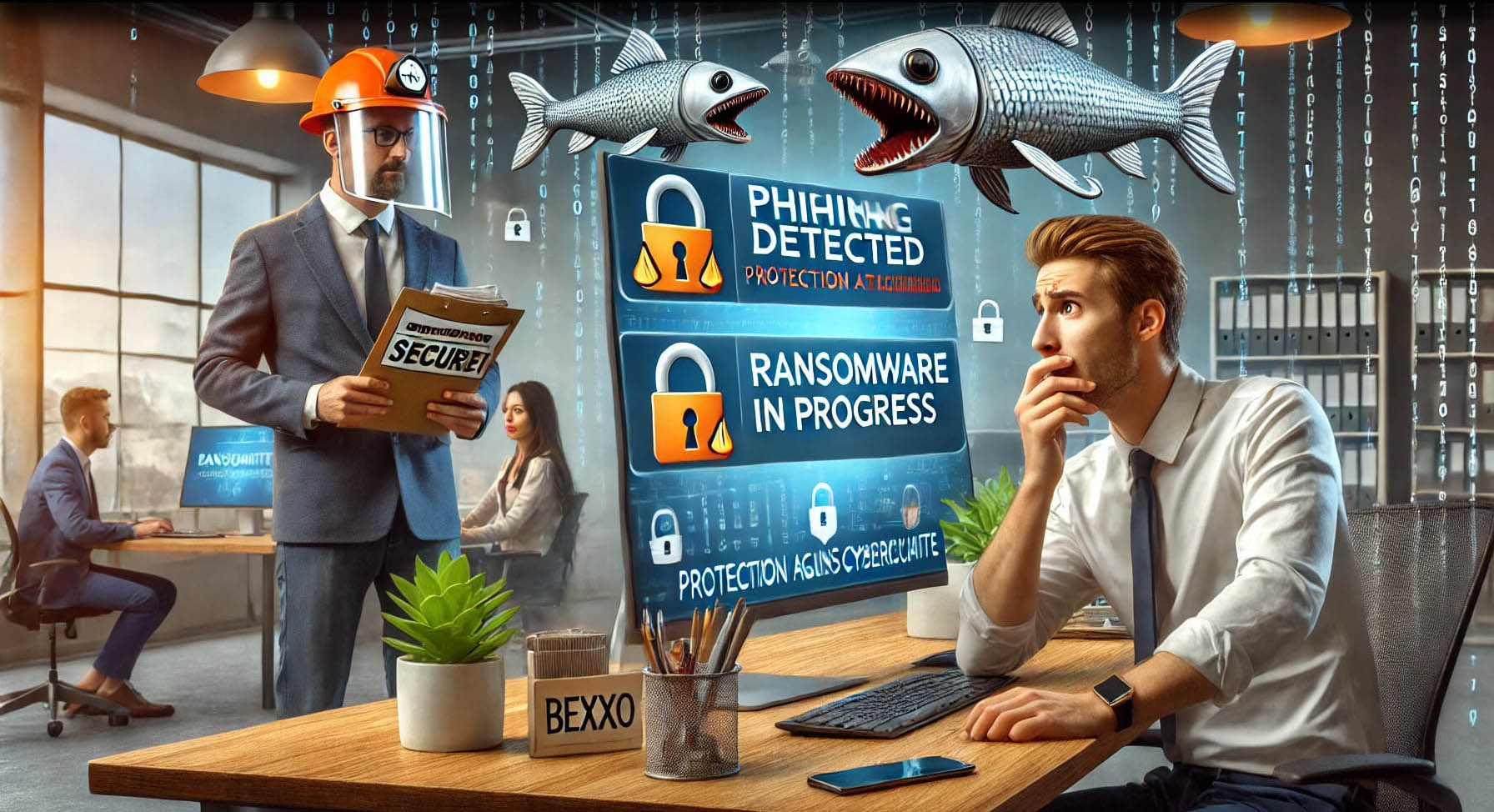
Business Phishing: Recognizing, Preventing, and Managing This Persistent Threat
Phishing is the number one cyber threat for businesses: according to ANSSI, it accounts for over 80% of security incidents reported in France. Based on social engineering, this technique deceives employees to steal credentials, spread malware, or divert funds. Discover how to effectively recognize, prevent, and manage this ever-present threat.
