Articles
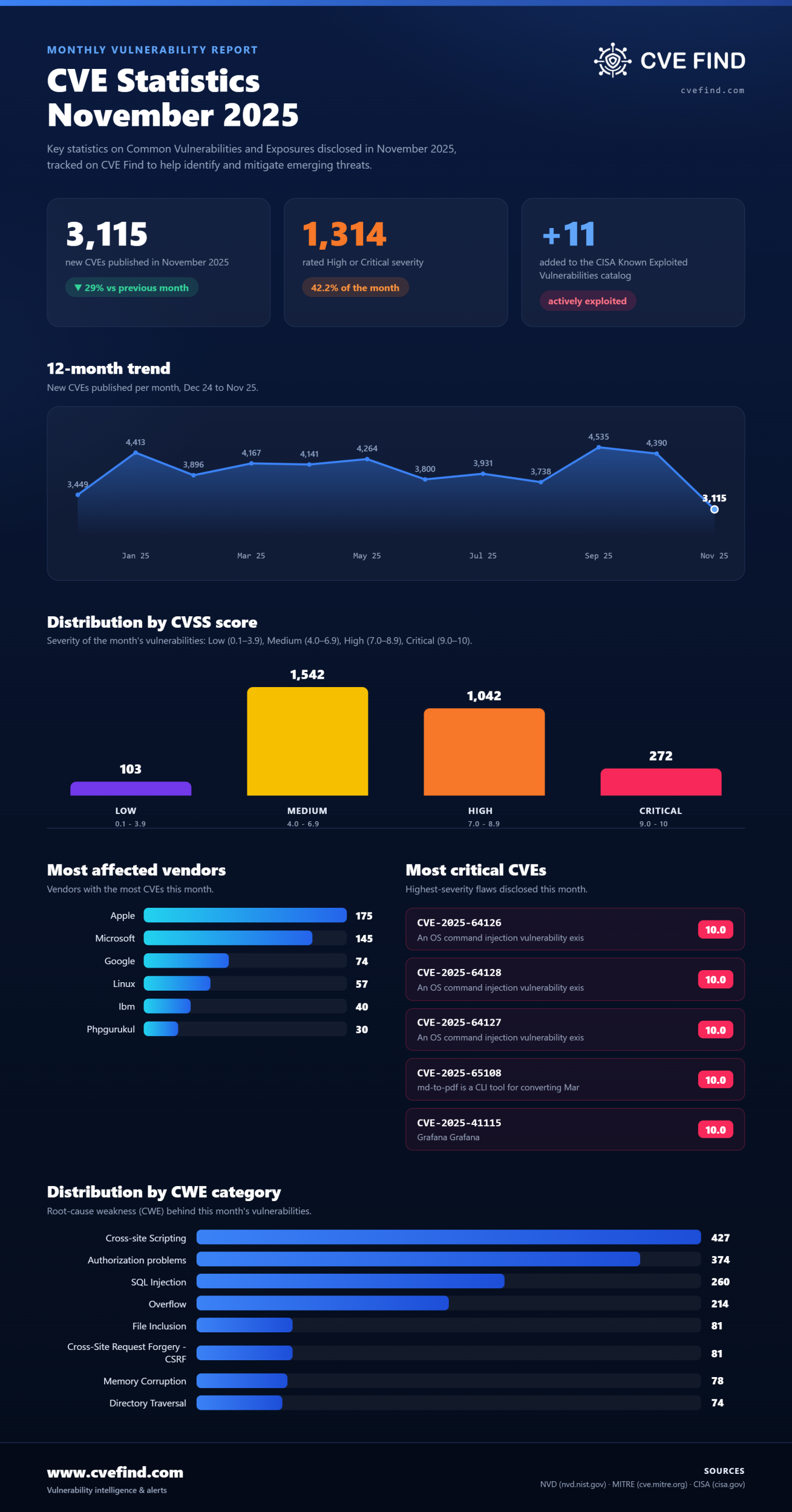
- December 01, 2025, Stéphane Chapuis
CVE Statistics: November 2025
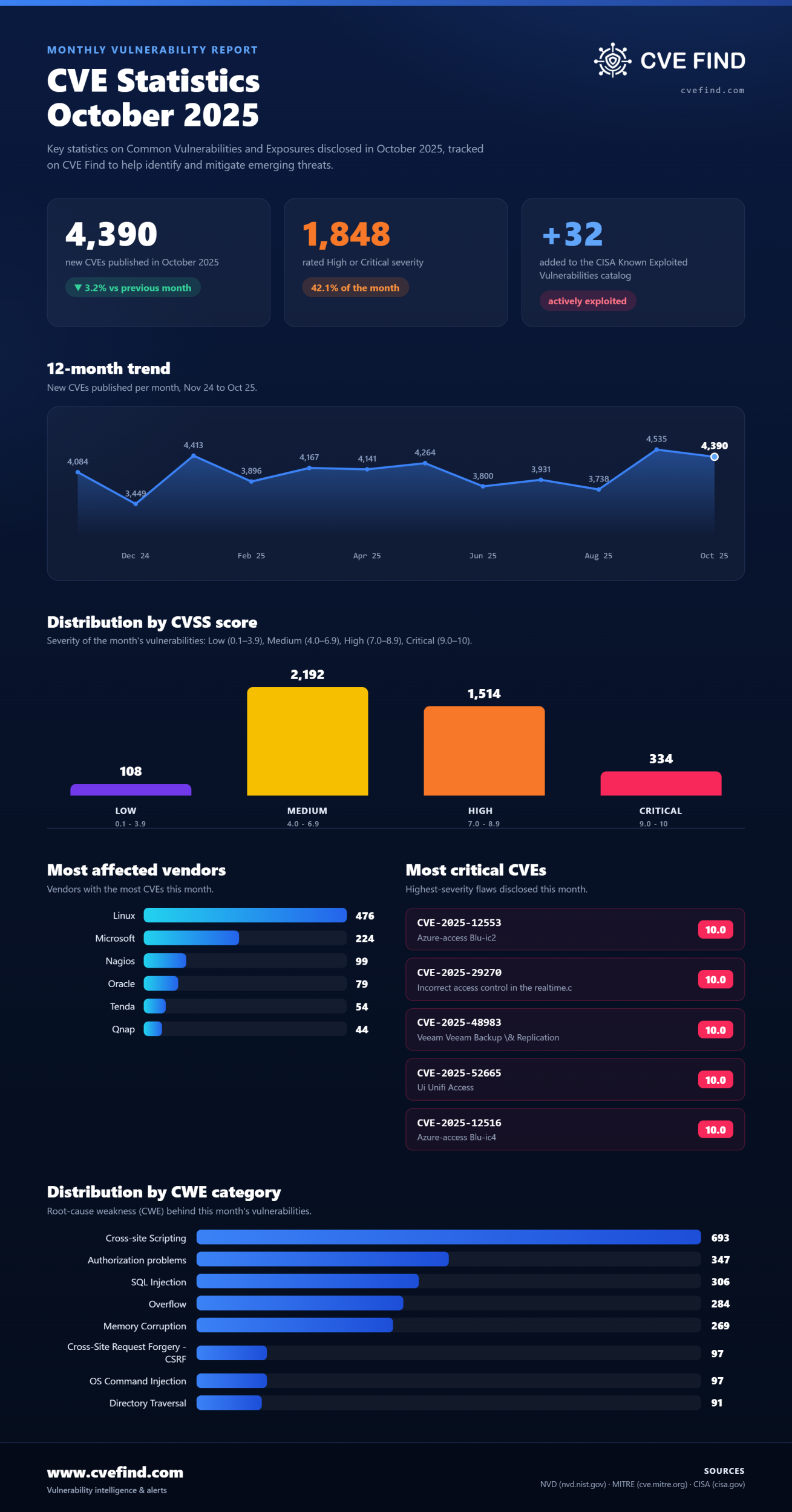
- November 01, 2025, Stéphane Chapuis
CVE Statistics: October 2025
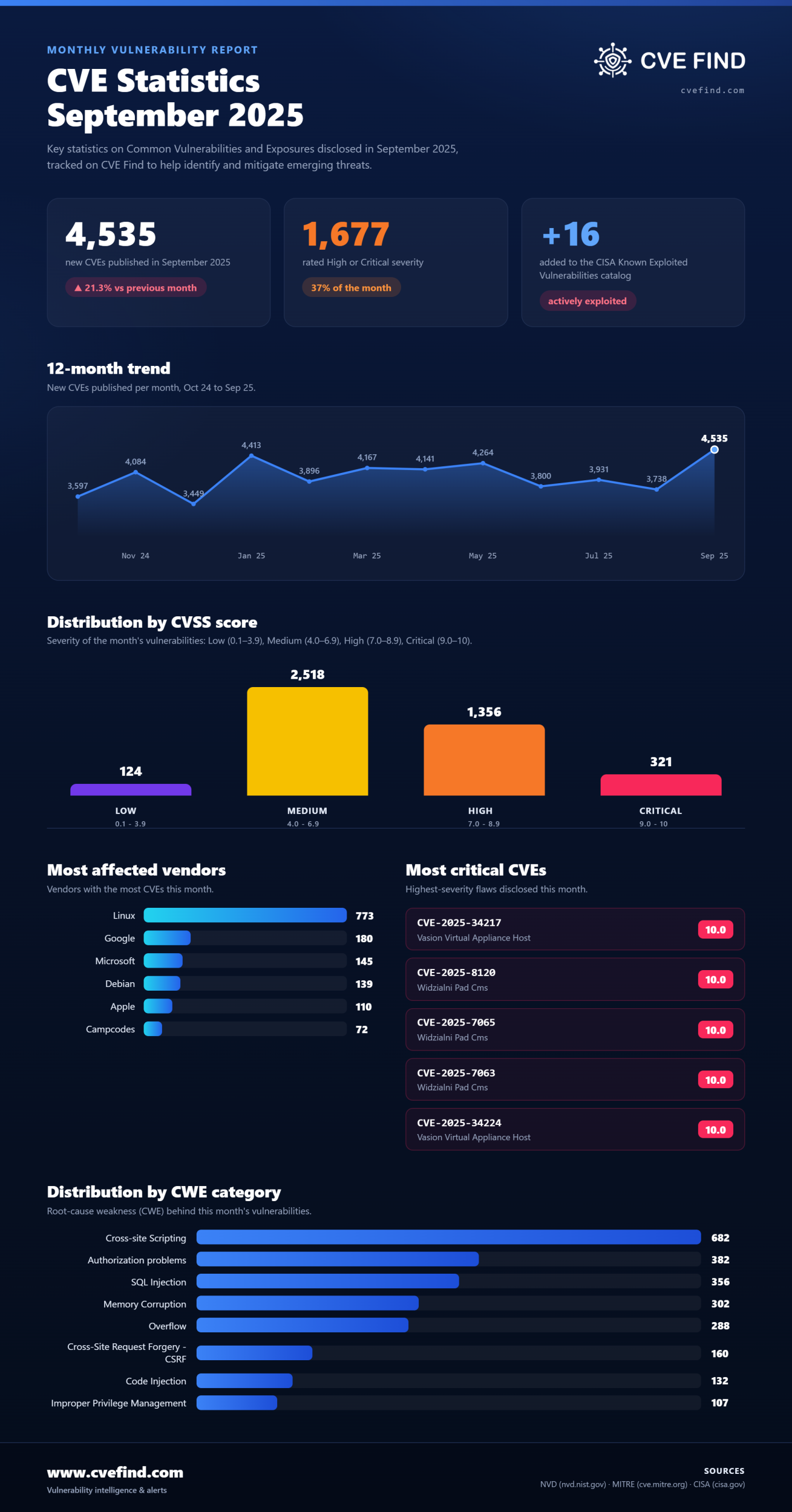
- October 01, 2025, Stéphane Chapuis
CVE Statistics: September 2025
- September 10, 2025, Stéphane Chapuis
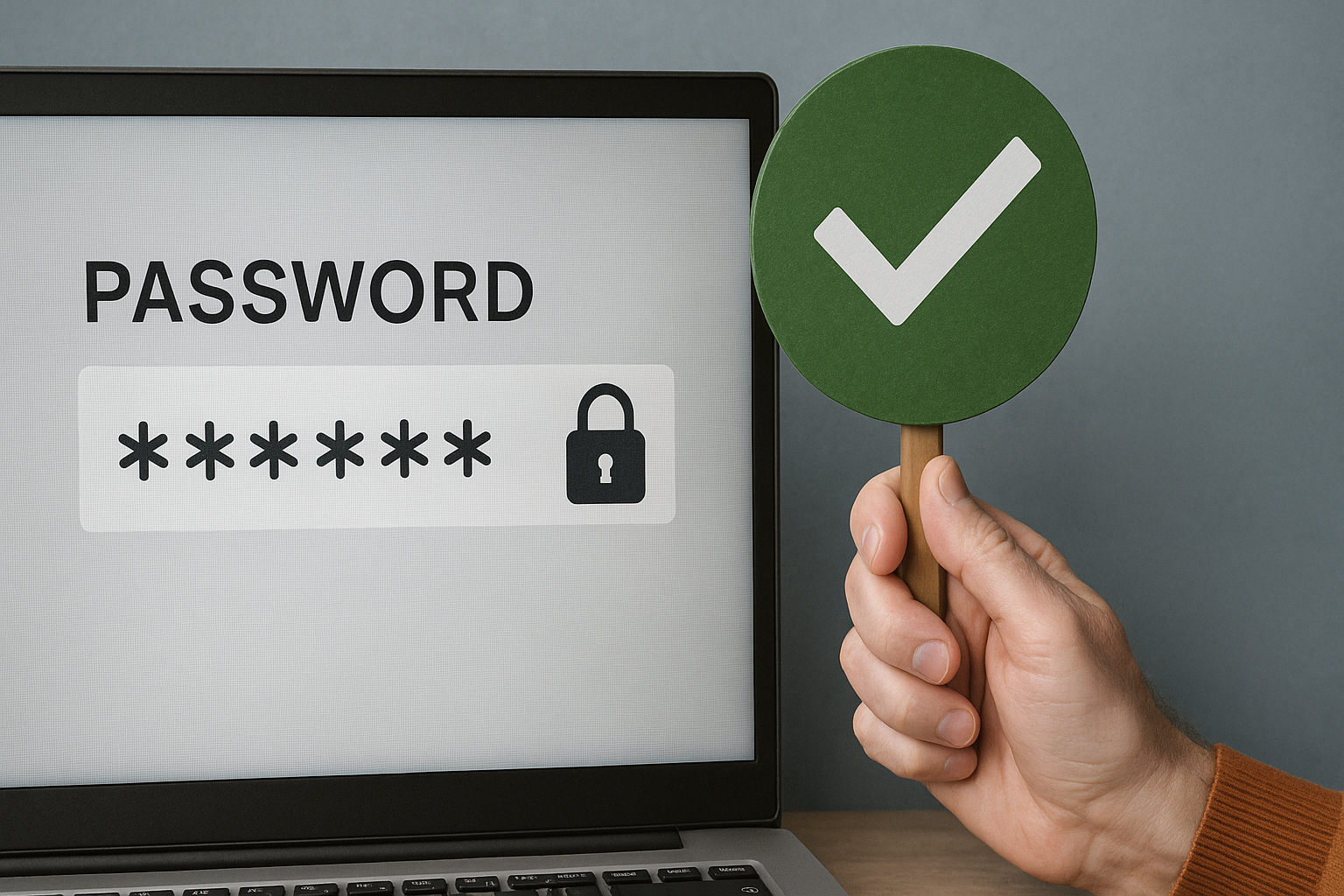
Secure Password: The Complete Guide to Protecting Your Accounts in 2026
A weak password exposes your accounts, identity, and finances to cyberattacks in seconds. This practical guide explains exactly how to create memorable and unbreakable passwords, enable two-factor authentication, and adopt sustainable digital hygiene — without being a computer expert.
- September 01, 2025, Stéphane Chapuis
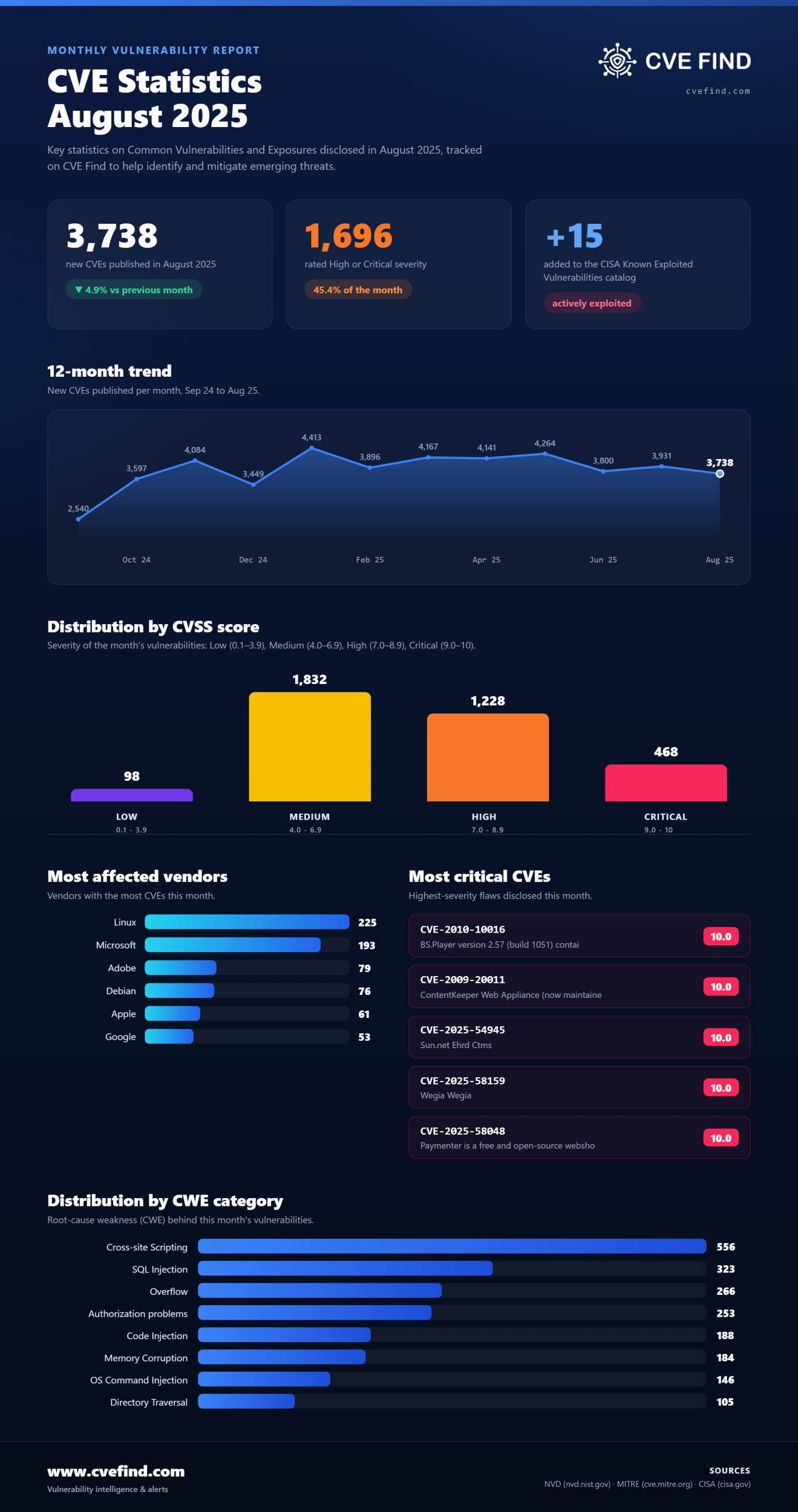
CVE Statistics: August 2025
- August 20, 2025, Peter Senn
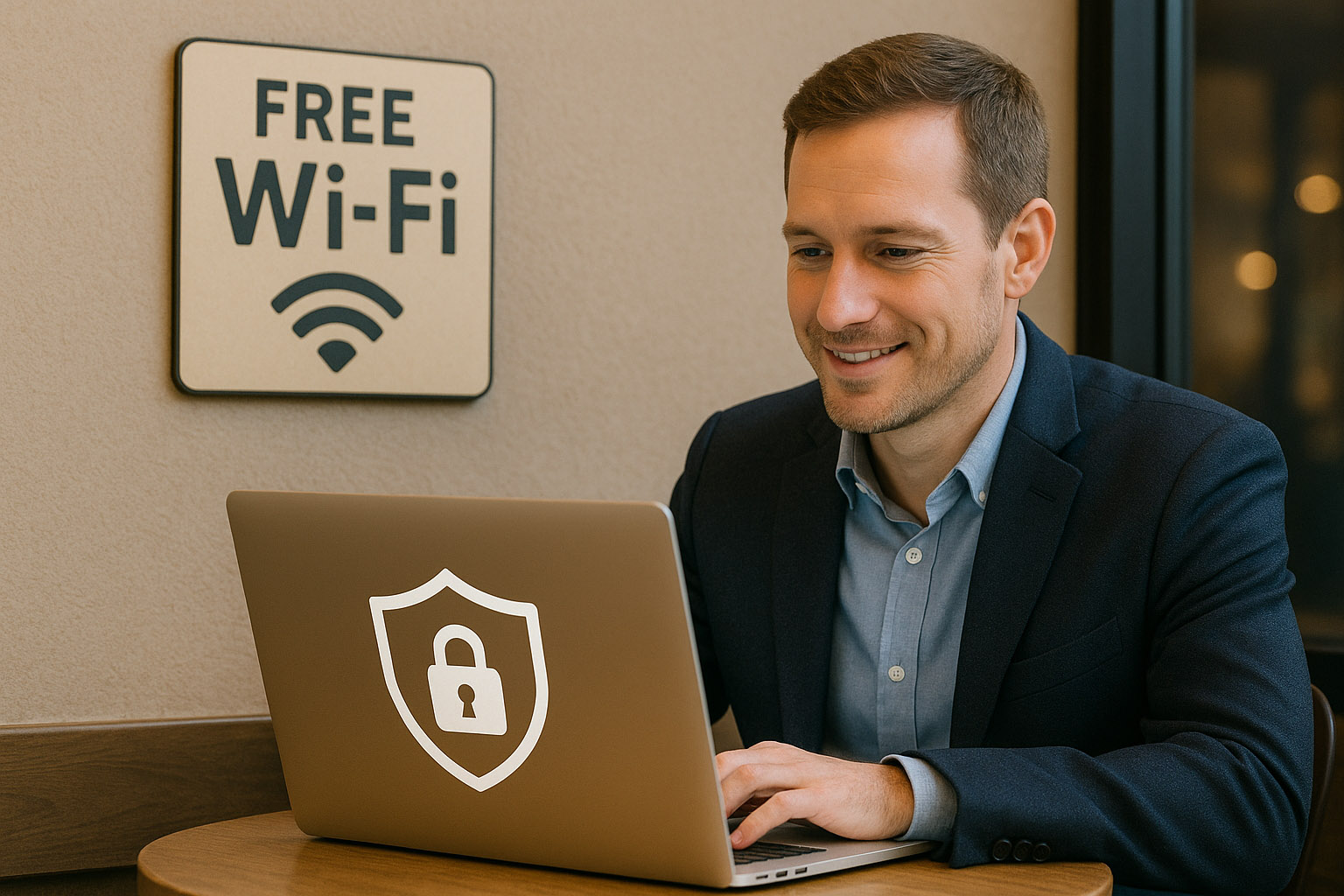
Public WiFi on the Go: Securing Your Connections to Ensure Business Continuity
Public WiFi exposes Swiss SMEs to cyberattacks that are invisible but very real. Discover 5 concrete measures to protect your business data on the go and maintain business continuity.
- August 15, 2025, Peter Senn
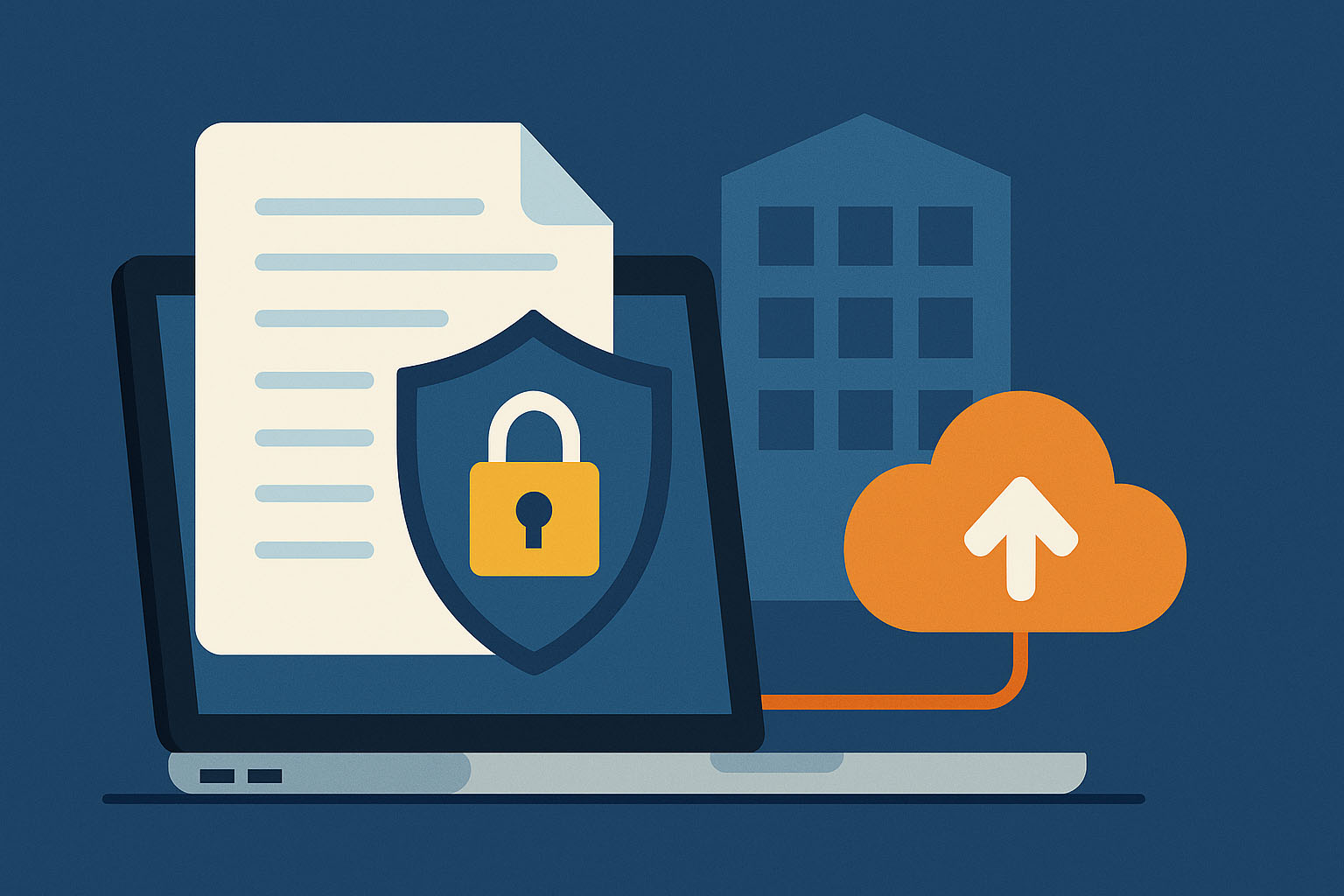
Backup Security Plan for SMEs: Why It's Essential
A backup security plan is a set of documented procedures that ensures the availability, integrity, and rapid restoration of an SME's critical data in the event of an incident. According to the Veeam Data Protection Trends 2024 report, 76% of companies experienced at least one major data-related outage in the past 12 months — and those without a tested backup plan took an average of 3 times longer to resume operations.
For an SME, adopting such a policy protects the company's reputation, ensures regulatory compliance (GDPR, Swiss nLPD which came into force in September 2023), and maintains customer trust. It's a measurable strategic choice: according to Gartner (2023), the average cost of unplanned downtime reaches CHF 8,500 per hour — a risk that a structured plan helps to avoid.
- August 01, 2025, Stéphane Chapuis
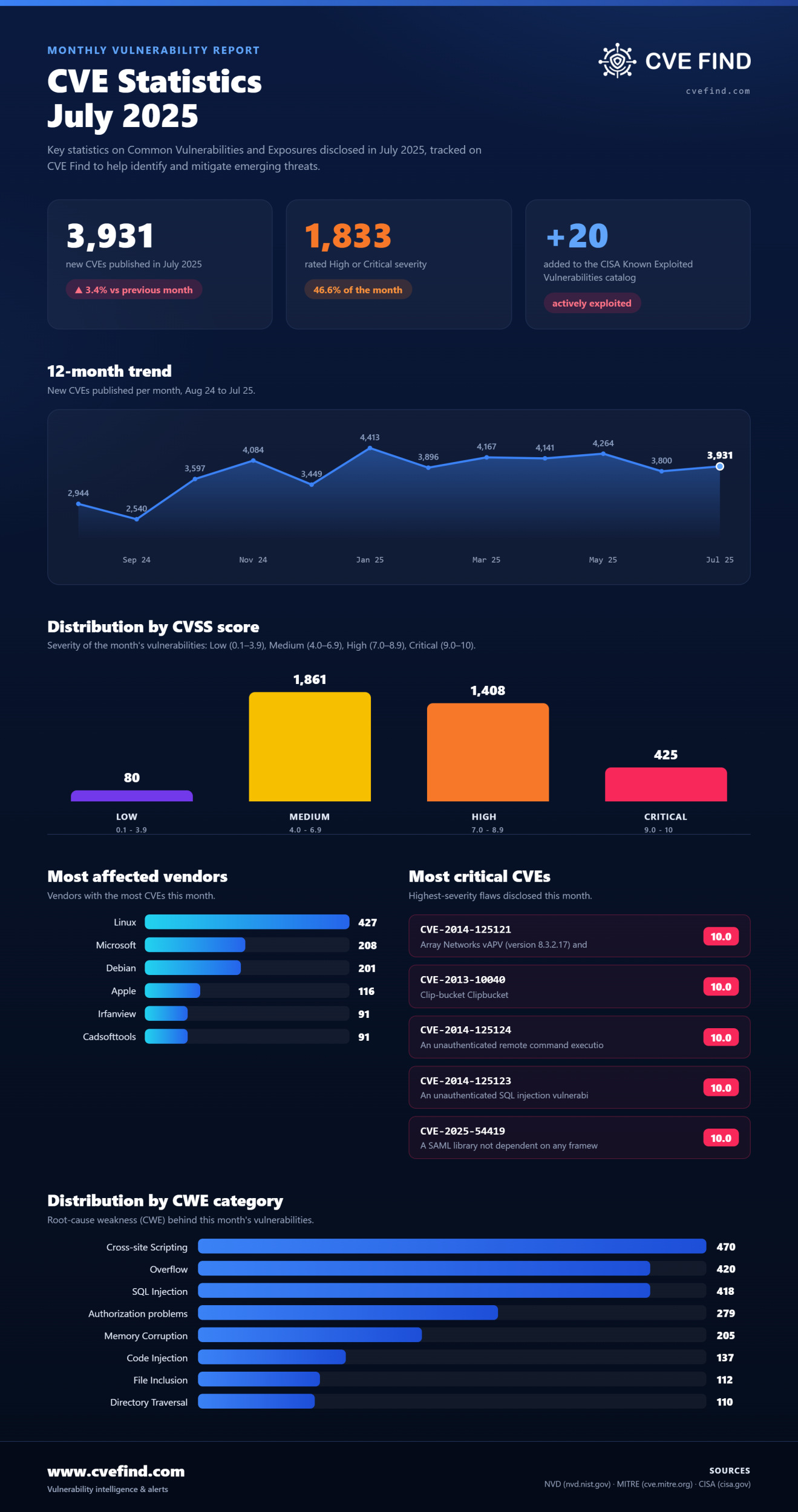
CVE Statistics: July 2025
- July 30, 2025, Stéphane Chapuis
Your Employees, Your Best Shield Against Phishing: Effective Training in 10 Minutes
Anti-phishing training is the process by which employees learn to identify and report phishing attempts via email, thereby reducing the risk of a successful cyberattack. According to the Verizon 2024 Data Breach Investigations Report, 68% of data breaches involve human error—meaning your teams are both your biggest vulnerability and your best line of defense.
Every company knows that cybersecurity is paramount. Yet, 95% of IT security incidents are caused by human error (IBM Security, 2023). Employees well-prepared to detect phishing form the most effective protection against cyberattacks. The good news? Training them has never been easier, faster, or more positive. PhishTrainer is designed for this: transforming individual vigilance into a collective strength, in less than 10 minutes of setup.
- July 02, 2025, Stéphane Chapuis
CVE Statistics - June 2025
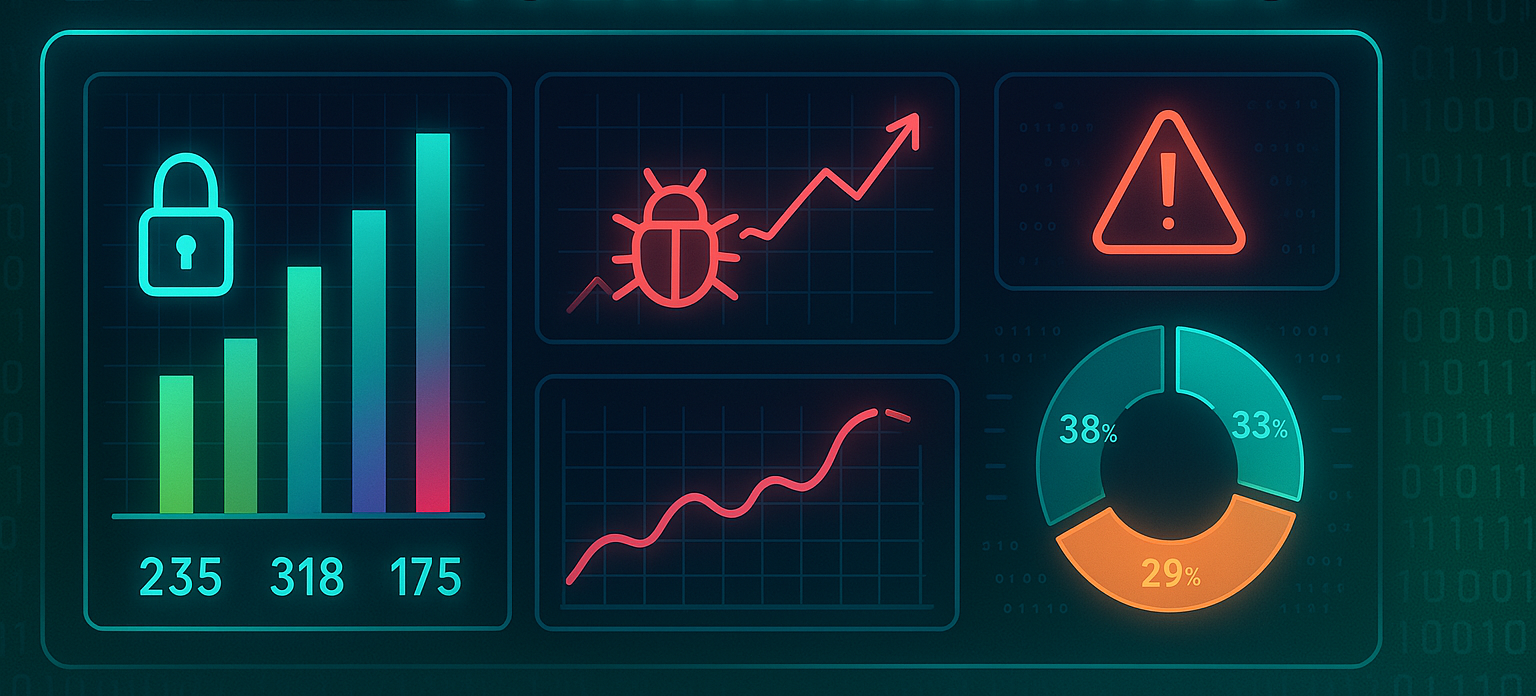
June 2025 was marked by the publication of numerous vulnerabilities. The information is presented as a breakdown by category, highlighting various types of flaws such as injections, authorization issues, and other critical vulnerabilities.
In addition, the data is broken down according to the CVSS score.
